


Feast of S. Antonio Abate
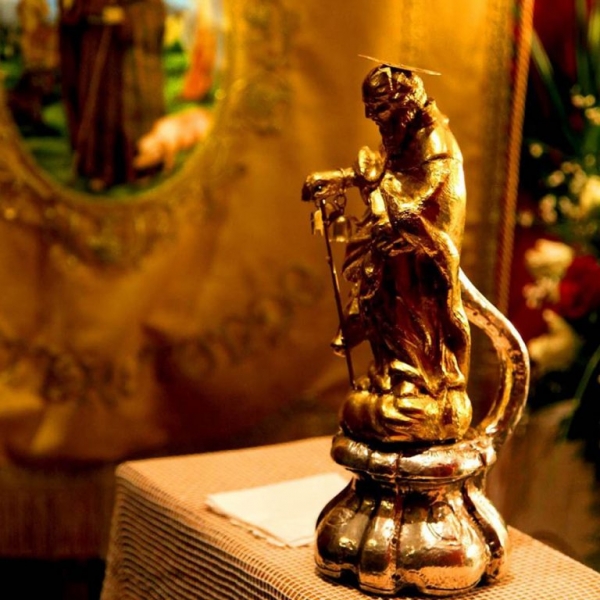
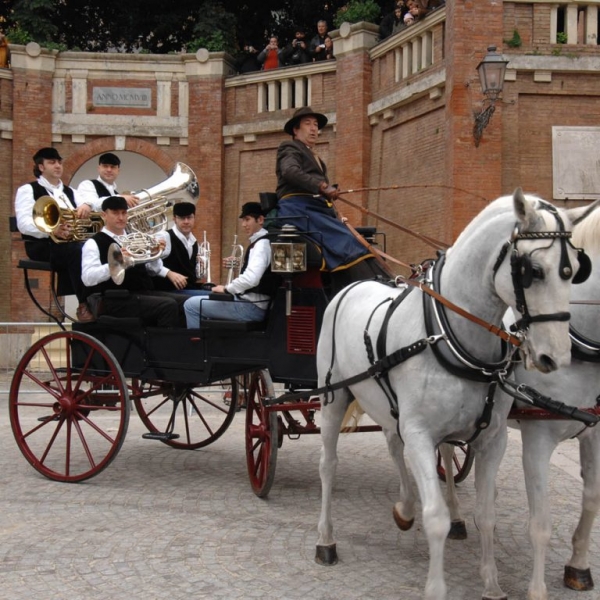
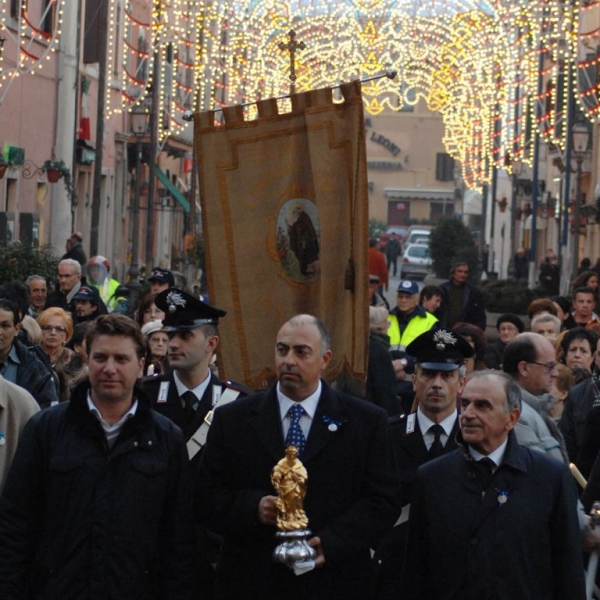
The feast of S. Antonio Abate in Monterotondo is organized by the local Pious Union, which was made official with the first Statute in the year 1890, by willing and Christian men and all those who have taken into custody the Sacred Figurine for a whole year, receiving the status of "confrere". The Pious Union is governed by a President elected by relative majority by secret ballot and whose office lasts three years; by a Vice President, who takes the place of the President in his absence; by a Secretary and a Cashier. Finally, there is the position of Treasurer who keeps "The Golden Book" in which the names of the Brothers from 1890 are noted, and the key to the safe where the "Treasure" of St. Anthony is kept.In view of January 17, the Pious Union begins its work already in October, which could be divided into two phases: the purely technical-organizational one and the strictly spiritual one. The first technical-organizational phase consists in establishing the days of the festival (the Sunday closest to January 17th), the routes and times of the various processions and events; to arrange for the purchase of wind torches, lights, fireworks and contact the “Eretina” Music Band. The "Questua", carried out by the "Bussolanti", who go from house to house, must activate the "Lunario del Campagnolo", the calendar with the iconography of the Santo and a copy of the "Sonnet ”Offered by the“ Lord of the Feast ”. You must contact the city ovens where you can cook the "Paw donuts"; you have to choose the horses for the "Cavalcata" and you have to go to scrubland or meadows in search of "mortella" to decorate the Cathedral and the houses of the "Lords" of the party.The second phase, the Spiritual one, includes the "Triduum", a popular form of devotion that lasts for three days (from Wednesday to Friday) in addition to the Holy Masses held on Saturdays, Sundays and Mondays of the Feast. various exercises of piety, certain graces are implored, thanks are given for those received and the feast is solemnized.
|