


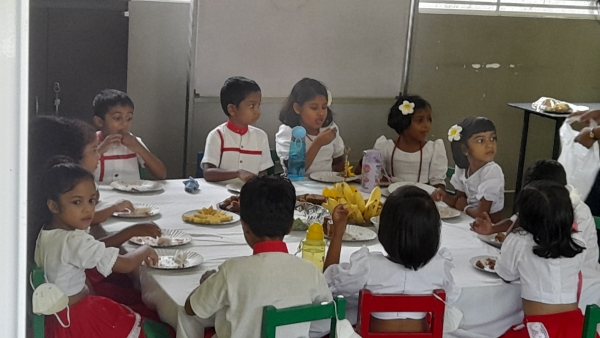
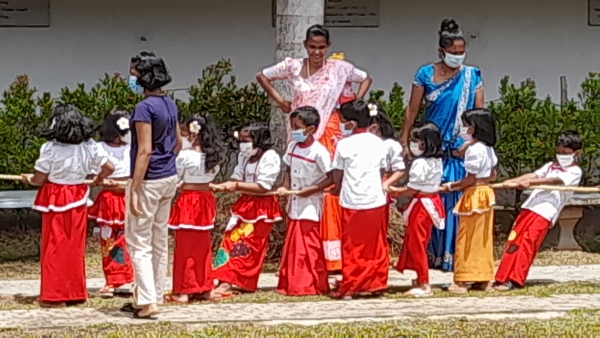
Sinhala & Hindu New Year Celebration in School
Sinhala Hindu New Year, also known as "Aluth Avurudda" or "Puthandu," is a vibrant and culturally significant celebration observed by both Sinhala Buddhists and Tamil Hindus in Sri Lanka. This annual festival marks the beginning of the Sinhala and Tamil New Year, falling typically on April 13th or 14th, symbolizing the transition of the sun from Pisces to Aries. The festival holds deep cultural and religious significance, blending the traditional customs of both Sinhala and Tamil communities. It is a time of renewal, cleansing, and unity, signifying the end of the harvest season and the onset of the astrological new year. The celebration is observed with great enthusiasm and is a time for families to come together, engage in religious rituals, and partake in various festivities. Key elements of the Sinhala Hindu New Year celebration include: Astrological Timing: The exact time of the New Year is determined by astrologers, and the moment of transition is observed with the preparation and consumption of traditional foods and the performance of auspicious activities. Cleaning and Decoration: Prior to the New Year, homes are thoroughly cleaned and decorated with intricate "rangoli" patterns, or "kolam," created with colored rice flour. This practice symbolizes the removal of negativity and the welcoming of positive energy. New Year Table: A ceremonial table is set with auspicious items, including a mirror, oil lamp, betel leaves, fruits, flowers, and traditional sweets. This arrangement, known as the "Avurudu kumari," represents prosperity and abundance. New Year Customs: The transition is marked by the lighting of the oil lamp at the auspicious time, followed by partaking in the first meal of the New Year. This meal, known as the "kiribath," is a special dish of milk rice cooked with coconut milk, symbolizing wealth and nourishment. Traditional Games: The festive spirit extends to traditional games and sports, such as "kotta pora" (pillow fights), tug-of-war, and "raban pada" (beating of drums). These games foster camaraderie and friendly competition. Exchanging Gifts: Families and friends exchange gifts and well-wishes, strengthening social bonds and demonstrating goodwill. Religious Observances: Both Sinhala Buddhists and Tamil Hindus engage in religious activities during this time, visiting temples, offering prayers, and seeking blessings for the year ahead. Dancing and Music: Traditional folk dances and music performances add color and vibrancy to the celebrations. Drumming and singing are integral parts of these festivities. The Sinhala Hindu New Year is a time for people to connect with their cultural heritage, spend quality time with loved ones, and embrace a fresh start. The combination of cultural rituals, astrological beliefs, and community involvement makes this celebration a unique and cherished event in Sri Lanka, highlighting the rich diversity and unity of its people.

|