


Qingming Festival
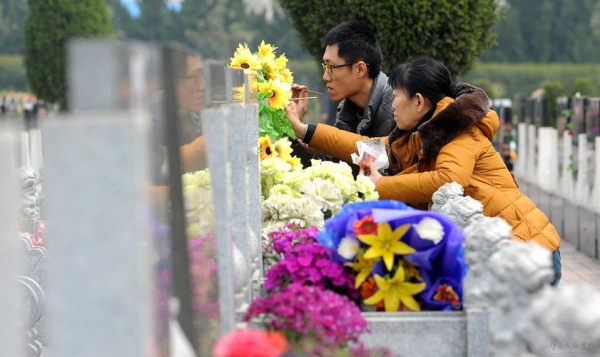
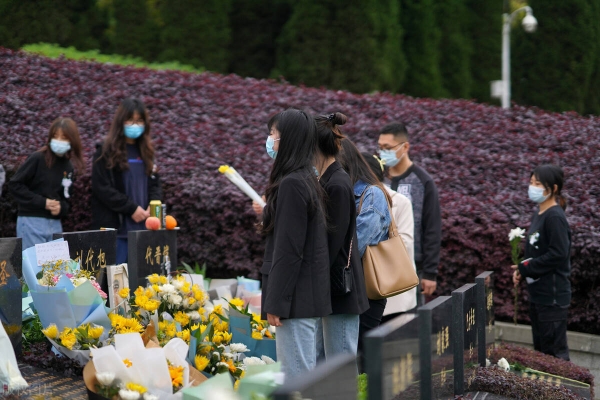
The Qingming Festival is said to have originated from the "tomb sacrifice" rituals of ancient emperors and generals. It began around the Zhou Dynasty and has a history of more than 2,500 years. The Qingming Festival was originally just a name for a solar term, but it became a festival to commemorate ancestors in connection with the Cold Food Festival. The Cold Food Festival and the Qingming Festival are two different festivals. In the Tang Dynasty, the day of worship and grave-sweeping was designated as the Cold Food Festival. During the Song and Yuan Dynasties, the Qingming Festival gradually rose from its subsidiary status to replace the Cold Food Festival. During the Ming and Qing Dynasties, it generally followed the old system of previous generations, and the custom of worshipping ancestors and mourning the dead relatives during the Qingming Festival was still prevalent. During the Republic of China, the Qingming Festival was designated as the Arbor Day in 1915, but it ended as the Arbor Day in 1928. Affected by Han culture, Chinese ethnic minorities also have customs of the Qingming Festival. Although the customs vary from place to place, grave-sweeping and ancestral worship, outing and hiking are the basic themes of the Qingming Festival. In addition, there are many outdoor recreational activities such as swinging, kicking, flying kites, planting trees, tug-of-war, and eating Zituiyan, Liyao, Qingtuan and other food customs.

|