


National Parks
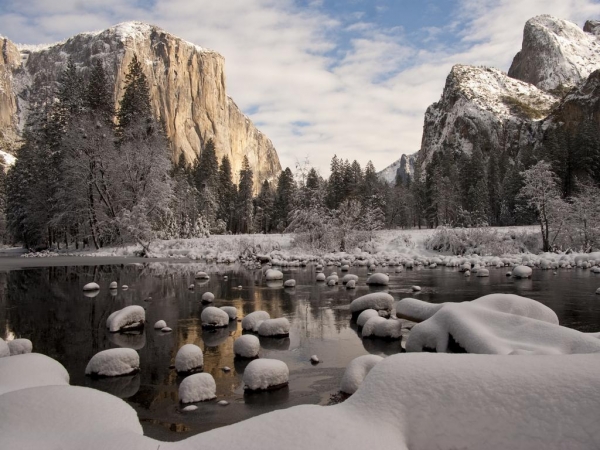
Many of America's most scenic and historic places have been set aside for the use of the public as national parks. "National Parks are spacious land . . . areas essentially in their primeval condition and so outstandingly superior in beauty to average examples of their several types as to demand preservation intact and in their entirety for the enjoyment, education and inspiration of all the people for all time."1 The concept of a "national park" is an American innovation that, in part, grew out of the conservation movement that began in the nineteenth century. When Yellowstone was designated a national park in 1872, it became the first such park in the world. The national parks of today are public resources for recreation, education, scholarship, and the preservation of endangered landscapes, natural communities, and species. They exist in twenty-five states as well as the Virgin Islands, and include areas as diverse as the "river of grass" that makes up the Everglades, the mountains and valleys of Yosemite, the volcanoes of Hawaii, and the Denali Wilderness of Alaska. Some of them were purchased by private individuals who then generously gave them to the nation; others were taken from the public domain in order to protect them from agricultural or commercial development and exploitation. https://www.loc.gov/collections/national-parks-maps/articles-and-essays/brief-history-of-the-national-parks/#:~:text=The%20national%20parks%20of%20today,%2C%20natural%20communities%2C%20and%20species.

|