


Pohela Baishakh, Bengali New year
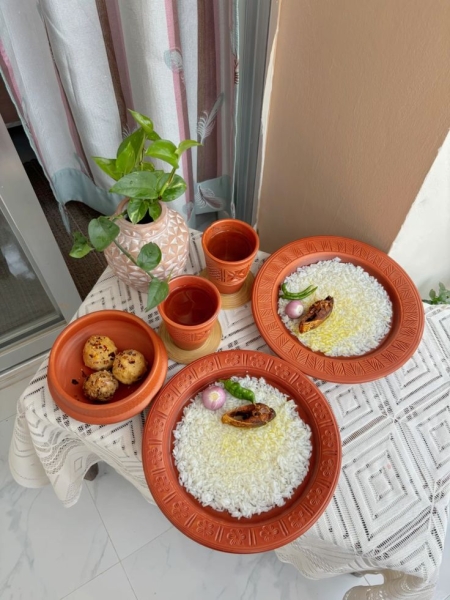
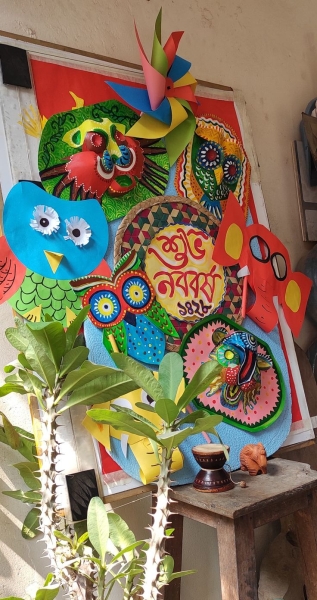
Pohela Boishakh: The Bengali New Year. What is Pohela Boishakh? Pohela Boishakh, the Bengali New Year, is celebrated on April 14th and marks the first day of the Bengali solar calendar. It’s a day of renewal, optimism, and cultural celebration for people in Bangladesh and West Bengal, India. The festival blends ancient agricultural traditions with vibrant modern-day festivities, symbolizing unity and new beginnings.Origins and SignificancePohela Boishakh has ancient roots tied to the harvest cycle and was historically a time for farmers to give thanks and celebrate. It also marks the Halkhata, when merchants close their old business accounts and start fresh for the new year. Over time, it has become a day for families and communities to come together in joy and celebration.Traditions and CelebrationsTraditional Clothing:On Pohela Boishakh, people wear bright, colorful clothes. Women often dress in sarees in shades of red, yellow, or white, while men wear panjabis or kurta-pajamas. The streets come alive with the sight of people in vibrant attire, adding to the festive spirit.Food and Sweets:Food plays a central role in the celebrations. Traditional dishes include panta bhat (fermented rice with hilsa fish), bhorta (mashed vegetables), and biryani. Sweets such as roshogolla, sandesh, and mishti doi (sweetened yogurt) are enjoyed to symbolize the sweetness of life and new beginnings.Halkhata – New Accounts:For businesses, Pohela Boishakh is the time to start the new financial year. Halkhata involves clearing old accounts and opening fresh ledgers. Customers often visit shops to settle past debts and buy new items, marking the start of a new business cycle.Mangal Shobhajatra – The Procession:The biggest celebration takes place in Dhaka with the Mangal Shobhajatra at Ramna Batamul. A colorful procession featuring papier-mâché masks, floats, and folk music fills the streets. People of all ages join in, marching together with traditional instruments to celebrate unity, culture, and hope for the future.Greetings and Gifts:On this day, people greet each other with "Shubho Noboborsho" (Happy New Year) and exchange sweets and gifts. It’s a time for family reunions, visiting friends, and strengthening bonds of love and friendship.Cultural ReflectionPohela Boishakh is more than just a New Year’s celebration; it’s a reflection of the resilience and joy of the Bengali people. It’s about family, community, and a sense of cultural pride that ties the past to the present. The day symbolizes hope, renewal, and the belief in a brighter future.In a country with a rich cultural heritage, Pohela Boishakh remains a cherished tradition, connecting generations and reinforcing the importance of togetherness. It’s a day when people forget past struggles and look forward to new opportunities, celebrating life with music, food, and a spirit of unity.

|