


The Simplon Pass
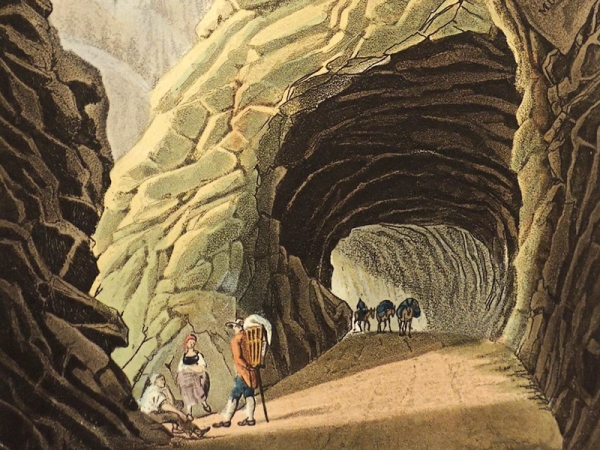
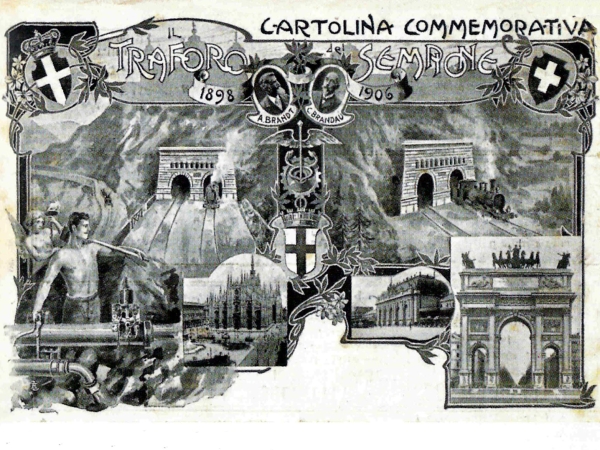
The Simplon Pass is a mountain pass located at 2,005 meters (6,578 feet) above sea level, connecting the Canton Valais in Switzerland to my hometown of Domodossola in Italy. Its origins date back to Roman times, when Emperor Septimius Severus, in 196 AD, ordered the construction of a cart road across the pass to link the transalpine provinces. The name "Simplon" likely derives from the Latin "summo plano," meaning a flat area at the top of a mountain.The pass regained importance during the 12th and 13th centuries, facilitating the transport of goods such as livestock, hides, cheese, wine, grain, and salt. In 1235, a hospice was established on the summit by the Knights of Malta, around which a small village grew. The first documented mention of "Simplon" appears in 1254, referring to a vineyard in Brig associated with the hospice.In the 17th century, Kaspar Jodok von Stockalper, a merchant from Brig known as the "King of Simplon," expanded the route. He built a wider road, 3 meters across, and established inns, rest stops, and the Stockalper Palace in Brig. He also constructed the Gondo Tower and the hospice at the summit, securing a monopoly on the postal service between Milan and the Netherlands for 17 years.The modern Simplon Pass road was commissioned by Napoleon Bonaparte in 1801. It was intended as a carriage road to facilitate troop and supply movements between Milan and Paris. Completed in 1805, it was a remarkable engineering achievement for its time. Milan, as a significant administrative and logistical hub of Napoleon’s empire, played a key role in this project, as it required efficient connections to northern Europe through the pass.The construction of the Simplon Pass involved Swiss and Italian workers who faced severe alpine conditions, difficult terrain, and limited technology. Many workers lost their lives to avalanches, accidents, and illnesses, highlighting the human cost of the enterprise. The project demonstrated the resilience and ingenuity of the builders.Milan’s connection to the Simplon Pass is symbolized by the Arco della Pace (Arch of Peace), located at the north-western edge of the city’s historic center. Commissioned by Napoleon in 1807 to celebrate his military victories and the strategic importance of the Simplon Pass, the arch was designed as a grand gateway into Milan from the pass. Designed by architect Luigi Cagnola, the project was left incomplete after Napoleon’s defeat and later finished under Austrian rule, becoming a monument to peace instead.Today, the Simplon Pass remains a scenic and functional route, celebrated for its historical significance and its role in uniting regions through shared effort, innovation, and sacrifice. It stands as a testament to the centuries-long collaboration and determination of those who worked to connect northern and southern Europe.

|