


Sankranti festival
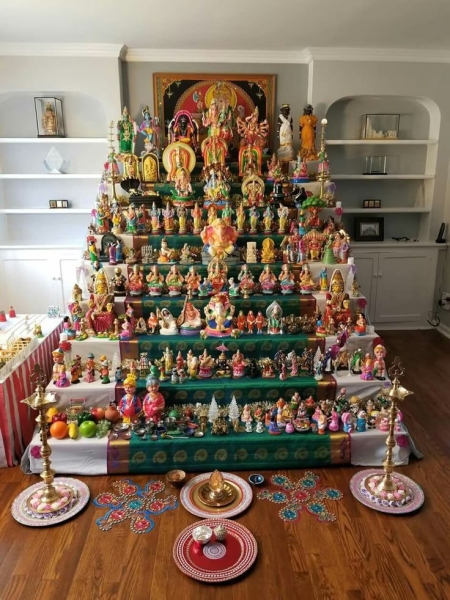
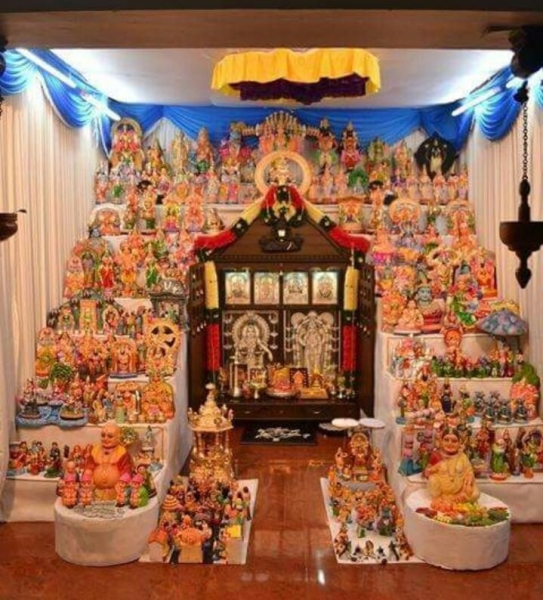
As the winter solstice approaches, India gears up to celebrate one of its most significant harvest festivals – Sankranti. Observed on January 14th every year, Sankranti marks the beginning of the sun's journey towards the northern hemisphere, ushering in longer days and warmer temperatures.*Celebrations Across India*While Sankranti is celebrated with great fervor across India, the festivities vary from region to region. In the southern states of Telangana, Andhra Pradesh, and Karnataka, the festival is known as Sankranti or Makara Sankranti. In other parts of India, it is celebrated as Lohri (Punjab), Bihu (Assam), or Pongal (Tamil Nadu).*Our Family's Unique Tradition: Bommala Koluvu Displays*In my family, we have a special tradition of setting up elaborate "Bommala Koluvu" displays during Sankranti. Bommala Koluvu is a decorative display of small idols, figures, or scenes arranged on a stepped platform, typically with a minimum of five steps. The number of steps can go up to ten or more, depending on the space available and our creativity.The top steps are usually reserved for Indian Hindu gods and goddesses, while the lower steps depict various scenes from everyday life, mythology, or village scenarios. We take great care in arranging the displays, following a hierarchical order, with the most revered deities at the top. On the floor level, we set up miniature zoos, market areas, or scenes from the Ramayana or Mahabharata.*A Three-Week Celebration*We set up our Bommala Koluvu display at least three weeks for Sankranti and keep it up until the festivities are over. During this time, we perform daily puja (worship) and offer prayers to the deities. We also invite friends and family to visit our home and admire our Bommala Koluvu display.While some parts of India set up Bommala Koluvu displays during Diwali, our family tradition is to do it during Sankranti. It's a time for us to come together, celebrate the harvest season, and seek the blessings of the divine.

|