


San Sebastià
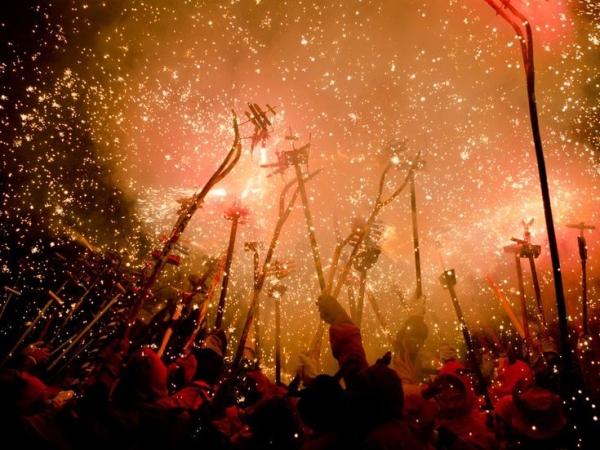
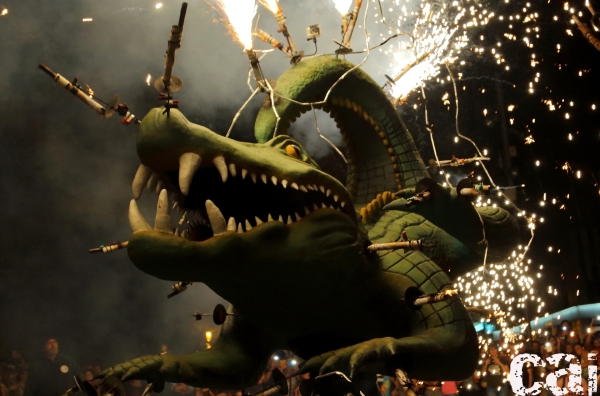
Every January, the city of Palma de Mallorca lights up with Festivities of San Sebastià, its patron saint. These celebrations, which run from January 14 to January 22, reach their peak on January 20.The origins of this festival date back to the 17th century and are linked to the belief that San Sebastià protected the city from a plague epidemic in the Middle Ages. This saint, who was a captain of the Roman Emperor Diocletian’s guard, converted to Christianity and was martyred for his faith. Since then, he has been venerated in Palma as the city's protector, and his figure is central to these celebrations.The Festivities of San Sebastià are the most anticipated of the year in Mallorca: open-air concerts with music of all genres, sporting activities, theatrical performances, and family-friendly events are organized throughout the celebration.One of the most emblematic moments is the "Revetla de Sant Sebastià", the grand night of January 19, when the squares of Palma are filled with stages hosting free concerts of various musical genres. The atmosphere is further enriched by the traditional "torradas", where attendees grill meat and sausages over public barbecues set up across the city.The grand finale of the festivities is the "Correfoc", a nighttime parade of demons and fire that fills the streets of Palma with energy and excitement. This tradition symbolically represents the battle between good and evil, where the "Dimonis" (demons) dance among sparks and flames while the crowd actively participates, running through the fire. One of the most iconic figures of the "Correfoc" is the "Drac de na Coca", a legendary figure in Mallorcan culture inspired by a crocodile that, according to history, once terrorized Palma.

|