


Holi – The Festival of Colors
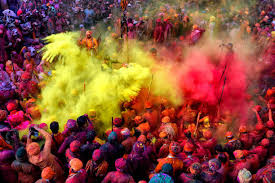
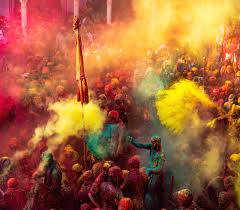
Holi, often called the Festival of Colors, is one of the most joyful and energetic celebrations in India. It usually takes place in March, signaling the end of winter and the arrival of spring. Holi is deeply rooted in Hindu mythology and also acts as a social celebration of renewal, forgiveness, and togetherness.The festival has two main parts:1. Holika Dahan (The Night Before Holi):On the eve of Holi, people gather around a large bonfire known as Holika Dahan. It symbolizes the triumph of good over evil, recalling the legend of Prahlad and Holika. Families perform rituals around the fire, offering prayers for prosperity and protection from negative energy.2. Rangwali Holi (Day of Colors):The next day, the real fun begins. People take to the streets and open areas to play with colored powders (gulal) and colored water. It’s a scene of total joy—faces glowing with pink, green, yellow, and blue hues, and laughter echoing everywhere.Friends and neighbors apply color to each other, dance to music (often with traditional dhol drums), and enjoy sweets like gujiya, malpua, and drinks like thandai (sometimes infused with bhang in more traditional settings).Holi breaks down social barriers—everyone, regardless of age, background, or status, joins in. In many parts of India, especially places like Mathura and Vrindavan (associated with Lord Krishna), the celebrations are incredibly elaborate, stretching over several days.What makes Holi special is the spirit of unity, forgiveness, and fun. After the festival, people often visit each other to share sweets and strengthen bonds. It's a time to let go of old grudges and begin anew—with color, warmth, and joy.

|