


Spain’s Siesta and Evening Paseo: A Daily Cultural Rhythm
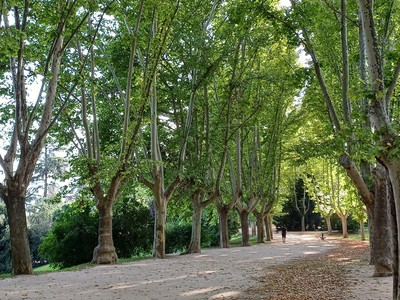
In Spain, the siesta is a traditional short nap or rest period taken in the early afternoon, typically after lunch. This practice has deep roots in Spain’s agricultural past, where the intense midday heat made working during those hours difficult.Timing: Usually between 2:00 PM and 5:00 PM.Purpose: To recharge energy for the rest of the day, especially since the Spanish day often extends late into the night.Cultural significance: The siesta is more than a nap; it’s a moment to slow down, enjoy family time, and relax before resuming daily activities.The Evening PaseoFollowing the siesta and later dinner, Spaniards enjoy the paseo, a leisurely walk through the town or city streets, parks, or plazas.When: Typically around 9:00 PM to 11:00 PM.Why: It’s a social and cultural ritual where families, friends, and couples stroll, chat, and enjoy the cooler evening air.Where: Popular spots include plazas like Madrid’s Plaza Mayor, Barcelona’s La Rambla, or local neighborhood parks.Atmosphere: Streets come alive with music, laughter, and the aroma of tapas from nearby bars.Why This Keepsake MattersThis daily rhythm of rest and social connection captures the Spanish way of life — valuing balance, community, and enjoyment of simple moments. It contrasts with the fast-paced routines common elsewhere, offering a glimpse into Spain’s warm, human-centered culture.


|