


Galle Ducth Fortress
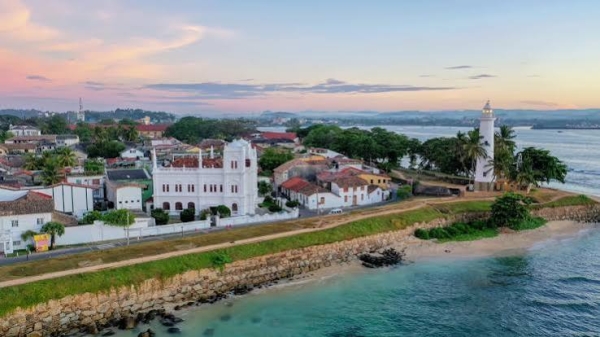
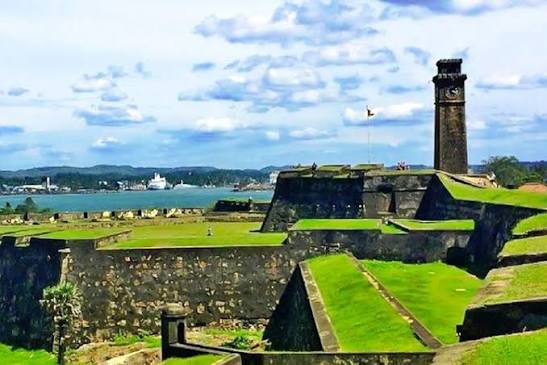
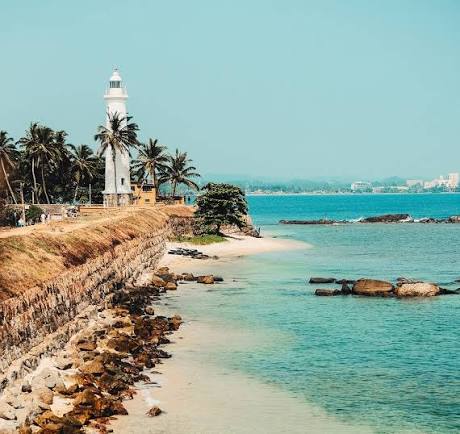
The Galle Dutch Fortress (also known simply as Galle Fort) is a striking historical jewel located on the southwest coast of Sri Lanka. Originally built by the Portuguese in 1588 and extensively fortified by the Dutch during the 17th century, it stands today as a UNESCO World Heritage site and the finest surviving example of a fortified city built by Europeans in South and Southeast Asia.The Layout & ArchitectureThe fort is built on a rocky peninsula that juts dramatically into the Indian Ocean. Because it is surrounded by the sea on three sides, the Dutch only had to heavily fortify the landward side with massive, impenetrable earth-and-stone ramparts.Inside the walls lies a living, breathing time capsule. The grid-like streets are lined with low-slung, white-washed Dutch colonial villas featuring deep verandas, clay-tiled roofs, and heavy wooden doors.Key Highlights within the FortThe Ramparts & Bastions: A massive ring of 14 stone bastions circles the fort. Walking along these walls at sunset is a local tradition.The Galle Lighthouse: Standing prominently on the Point Utrecht Bastion, this iconic white-washed lighthouse is perhaps the most photographed landmark in the fort, framed beautifully by leaning palm trees.The Dutch Reformed Church (Groote Kerk): Built in 1752, its floors are paved with real gravestones from old Dutch officials, and it features an organ loft from the colonial era.The Old Gate: Features the carved coat of arms of the Dutch East India Company (VOC), showing two lions flanking a shield.A Living Community: Unlike many historical ruins, Galle Fort isn't a museum piece. It is a vibrant, multi-ethnic town filled with bustling cafes, boutique hotels, jewelry shops, and homes where families have lived for generations.
|